
St. Clair County Arrest Warrants Explained
An arrest warrant gives officers the power to take a named person into custody on a criminal charge. St. Clair County treats it as a serious document. Behind it sits probable cause, meaning facts that would lead a reasonable person to believe a crime happened and that this person is connected to it. The process is deliberate. Police gather evidence first. The prosecutor reviews it, and a judge or magistrate decides whether the legal standard is met. A warrantless arrest, a bench warrant, and a search warrant each follow different rules.
From Police Request to Prosecutor Review
No St. Clair County department charges a felony alone. Officers prepare a warrant request when they believe probable cause exists, and the report goes to the Prosecuting Attorney's Office for review. That office decides whether to authorize charges. Michigan law fills in the rest. Before a judge or magistrate issues criminal process, the state code demands a complaint, an oath, and reasonable cause, which is why the paperwork matters as much as the allegation.
St. Clair County Prosecuting Attorney
201 McMorran Blvd.
Port Huron, MI 48060
810-985-2400
The charging decision belongs to the prosecutor's office. The St. Clair County court answers questions about the warrant itself, so call both.
Inside a St. Clair County Arrest Warrant
The court file holds the identifiers that drive the case. St. Clair County public views may hide personal details, so copy what you can see and ask the clerk about the rest.
| Case and warrant number | The identifier for every call and filing. |
|---|---|
| Charge and class | The statute and whether it is a felony or a misdemeanor. |
| Issuing authority | The judge or magistrate who signed, and the court stage. |
| Bond or hold | A bond amount, conditions, or a no-bond indicator. |
| Service status | Whether the warrant is outstanding, served, or recalled. |
Two numbers matter most. The case number and the bond instruction drive everything else in a St. Clair County warrant file, and the clerk can confirm both by phone.
St. Clair County Arraignment and Bond
After an arrest in St. Clair County, the accused appears in the 72nd District Court for arraignment. The judge reads the charges. Bond and conditions get set. A preliminary examination date lands within 14 days. Conditions can include no alcohol or drug use, random testing, or no contact with a victim. Counsel matters here. A person who cannot afford a lawyer may apply for a public defender at that first appearance. Note: bond posted during business hours is paid at the court, while the jail handles cash and card bonds after hours.
St. Clair County Felony Bindover to Circuit
The preliminary examination is the gate in a St. Clair County felony case. Probable cause found means bindover. The case moves up to the 31st Circuit Court for arraignment and trial stages. Without it, the case can end or shrink. After bindover, records go to the County Clerk in Room 1100, where circuit staff answer at 810-985-2200. Ask for the criminal file by case number. Skip the fresh search.
Serving Arrest Warrants in St. Clair County
No single agency serves every St. Clair County warrant. Deputies can execute it. So can city police and state troopers. Which agency holds the case often depends on who made the arrest, and service can happen at a traffic stop, at a home, or at the jail after a voluntary appearance. Know about an open warrant? Then treat any police contact as a possible path into custody.
Comparing Arrest, Summons, and Bench Warrants
Three tools can pull a person into court. A summons is a written order to appear. It does not authorize an arrest by itself, and St. Clair County treats these three paths very differently.
| Point | Arrest warrant | Summons | Bench warrant |
|---|---|---|---|
| Purpose | Take a person into custody on a charge | Order an appearance without arrest | Enforce a court order or appearance |
| Probable cause | Required before issuance | Not the same standard | Based on the missed obligation |
| Typical result | Arrest, booking, arraignment | Scheduled court date | New date, payment, or custody |
The lesson is practical. Answer a St. Clair County summons on arrival, because ignoring one can turn it into the third column.
Federal Warrants Outside St. Clair County
Federal charges skip county court entirely. St. Clair County sits in the Eastern District of Michigan. There, federal complaints, indictments, and magistrate judges run the case. The U.S. Marshals Service serves the process. A federal warrant may stay sealed until an arrest or a public docket event, so a county custody lookup, a state case search, or a state criminal-history check will not confirm one.
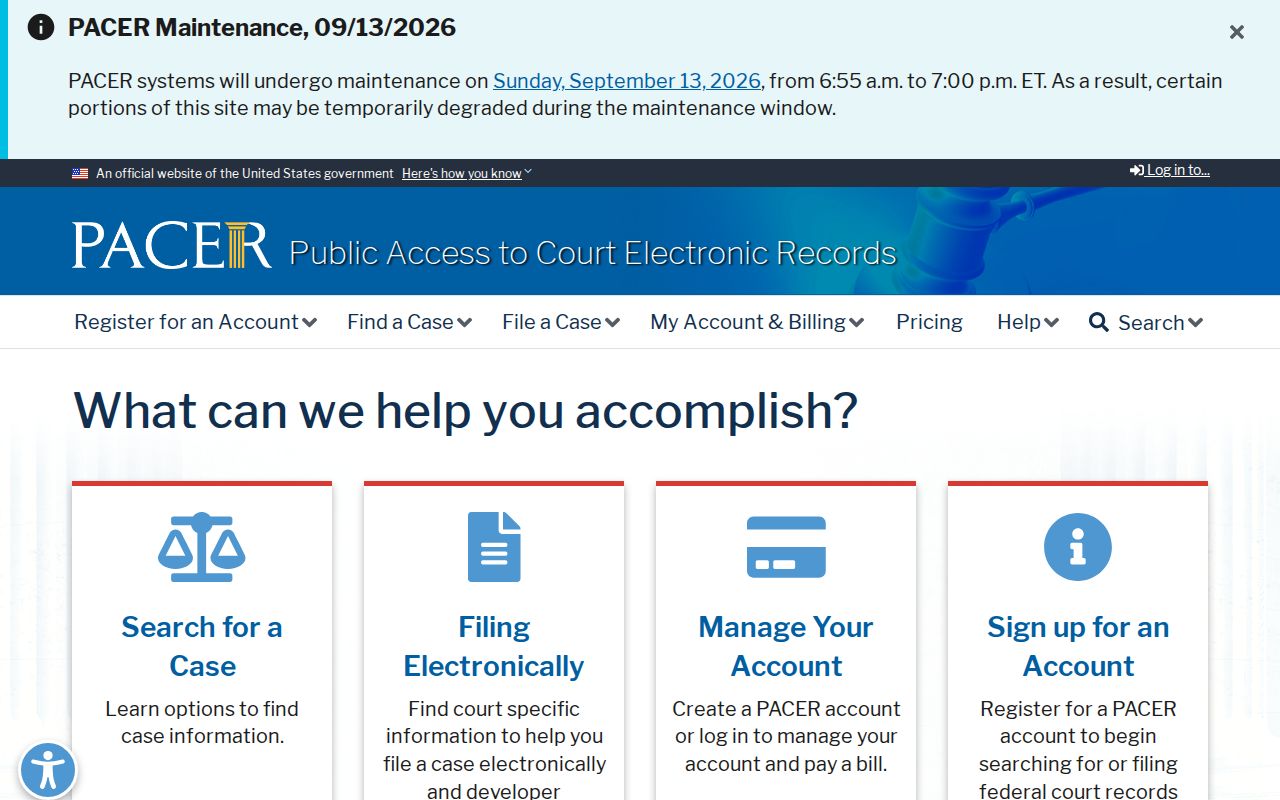
The federal docket system covers federal cases only. Its fees make it a supplement to any St. Clair County warrant check, not a replacement.
Sealed St. Clair County Arrest Warrants
Some warrants stay hidden while an investigation runs. Courts can seal records for good cause. Affidavits backing a search warrant can also be withheld for a time to protect a case, a victim, or a witness. An empty St. Clair County warrant search therefore proves little. No public record is not proof that no warrant exists. It is never a reason to skip a court date.
If There's an Arrest Warrant for You
Do not guess at the next step. A St. Clair County defense attorney can call the court, learn what the judge requires, and often arrange a controlled appearance instead of a surprise arrest.
- Confirm the charge, the issuing court, and the bond instruction with the clerk.
- Talk with a defense attorney about a voluntary appearance or a surrender plan.
- Ask whether a pre-arraignment bond or walk-through is available in the case.
- Call the jail bond line at 810-987-1720 about posting bond if the court requires it.
- Ask about a motion to recall if the warrant should not be active.
Important: Talk with a lawyer before turning yourself in. Driving or traveling with an open warrant can lead to an arrest at any stop.
Counsel and Confirmation After an Arrest
St. Clair County lets a person apply for a public defender at the initial appearance on a criminal warrant. In 2025, the board set hourly rates for appointed counsel. That first court date matters. Keep it. After any appearance or payment, ask for the docket entry. Confirm that nothing else remains open, because written confirmation from the court is the only record that settles the question.